Wiltshire Council’s website states it costs over £2 million to clean up litter each year, money that could be invested into other services.
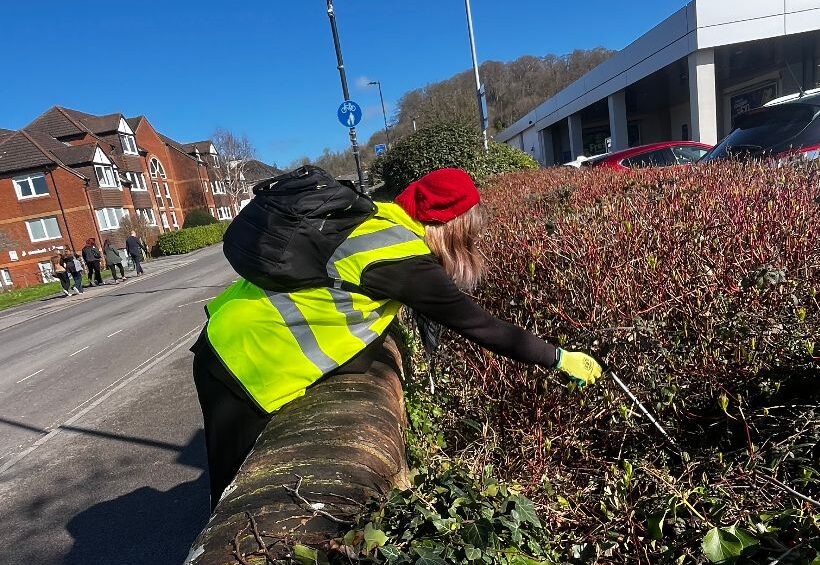
Warminster held its annual ‘Great British Spring Clean’ on 14th March, and it was truly disheartening to see how much litter is tossed into our hedgerows, streets and alleyways. Dropping a food packet or plastic bottle takes only a second, yet few people stop to consider how that small act can impact the environment.
What happens after that moment of carelessness? A discarded plastic bottle can take up to 450 years to break down (ecolife.com). During that time, it may be blown into waterways, broken into microplastics, pollute soil, and be eaten by fish, birds, and even livestock. Aluminium cans, although infinitely recyclable, can linger for centuries when littered on our streets or in hedges (BBC Science Focus Magazine).
According to NeuroLaunch.com, people feel less personally responsible for littering when an area is already littered or looks messy. Seeing existing rubbish also makes it easier to think “my bit won’t matter,” so they don’t connect their small action to the bigger problem. The result is a cycle: the worse a place looks, the less guilt people feel about making it worse.
But the story doesn’t have to end this way. Every piece of litter has a different fate when it’s placed in a bin or recycling point instead of being tossed aside. A cleaner Warminster begins with a single choice – made thousands of times over.
Rebecca Krzyzosiak, Co-Chair and Secretary, Sustainable Warminster